Before you submit your resume, complete an interview, or accept a job offer, there's a good chance an employer has already looked you up online.
In today's hiring landscape, your digital presence is often your first impression. Recruiters and hiring managers frequently search for candidates online to learn more about them beyond what's listed on a resume.
That doesn't mean employers expect you to have a perfect social media presence—or no social media at all.
It does mean they're paying attention to how you present yourself online.
The good news is that your social media accounts don't have to hurt your job search. In fact, when used intentionally, they can strengthen your personal brand, showcase your interests, and help you build professional connections.
Whether you're applying for internships, scholarships, leadership positions, or your first full-time job, understanding your digital footprint can help you make a positive impression.
Let's explore what employers really notice—and how you can ensure your online presence works for you, not against you.
What Is a Digital Footprint?
Your digital footprint is the collection of information about you that exists online.
It includes much more than your social media posts.
Your digital footprint may include:
- Social media profiles
- Comments you've made
- Photos you're tagged in
- Professional networking profiles
- Personal websites or portfolios
- Blog posts
- Videos
- Public discussion forums
Some content you intentionally publish.
Other content may be shared by friends or appear through online searches.
Everything contributes to your online reputation.
Do Employers Really Check Social Media?
The short answer is:
Yes—many do.
Recruiters often review publicly available online information as part of the hiring process.
They're not necessarily looking for reasons to reject candidates.
More often, they're looking to better understand who you are.
For example, employers may use social media to:
- Verify information on your resume
- Learn about your interests
- Evaluate professionalism
- Assess communication skills
- See examples of leadership or community involvement
Your online presence provides additional context beyond your application.
What Employers Appreciate Seeing
Many students assume employers only notice mistakes.
In reality, positive content can make an excellent impression.
Examples include:
- Leadership experiences
- Volunteer work
- Professional accomplishments
- Campus involvement
- Academic achievements
- Career-related projects
- Thoughtful posts about learning or professional growth
Sharing authentic milestones can demonstrate initiative and enthusiasm for your field.
What Can Raise Red Flags?
While every employer has different standards, certain behaviors may create concerns.
Examples include:
- Offensive or discriminatory language
- Harassment or bullying
- Illegal activity
- Threats or violent content
- Publicly sharing confidential information
- Extremely unprofessional communication
It's also worth remembering that humor doesn't always translate well online.
Before posting, consider how someone unfamiliar with you might interpret your content.
Your Social Media Doesn't Have to Be "Perfect"
A common misconception is that students should delete everything from their accounts.
That's usually unnecessary.
Employers understand you're a real person with hobbies, friends, and interests.
Photos from vacations, sporting events, celebrations, or everyday life aren't inherently negative.
Authenticity is valuable.
The goal isn't perfection—it's professionalism.
Ask yourself:
Would I be comfortable discussing this post in an interview?
If the answer is no, it may be worth reconsidering whether it should remain public.
Think Beyond Instagram
When students think about social media, Instagram or TikTok often come to mind.
But your digital footprint extends further.
Consider reviewing:
- X (formerly Twitter)
- TikTok
- YouTube
- Public gaming profiles
- Online forums
Even accounts you rarely use can appear in search results.
LinkedIn: Your Professional First Impression
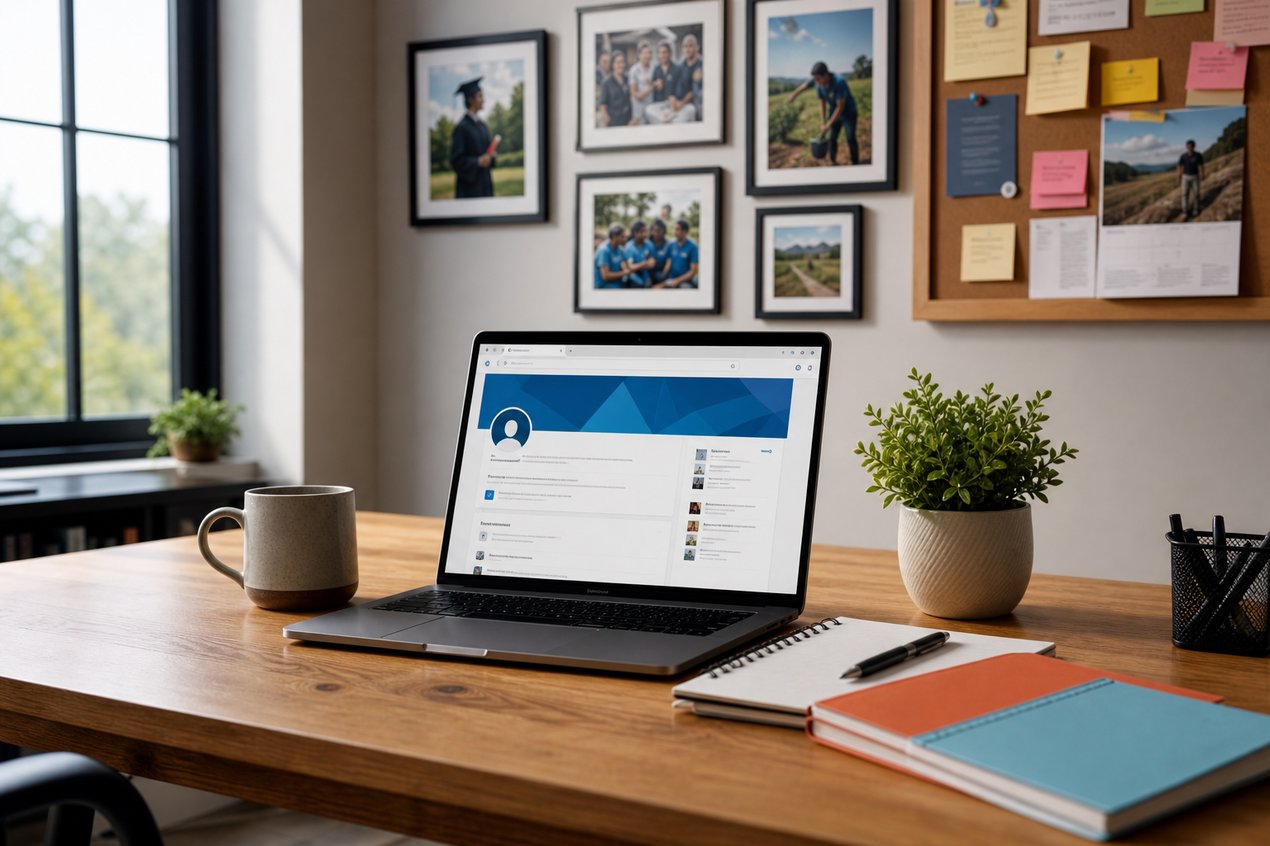
While personal platforms show who you are outside of work, LinkedIn highlights your professional identity.
A complete LinkedIn profile can help reinforce your application.
Include:
- A professional photo
- An engaging headline
- An updated About section
- Skills and experiences
- Projects and accomplishments
Recruiters often appreciate candidates who maintain an active professional presence.
Build a Personal Brand
Every post contributes to your personal brand.
Your personal brand is simply how others perceive you professionally.
Ask yourself:
What do I want people to associate with my name?
Possible themes include:
- Leadership
- Creativity
- Curiosity
- Service
- Innovation
- Lifelong learning
Your online presence should reflect the qualities you hope employers notice.
Audit Your Digital Footprint
One of the easiest ways to improve your online reputation is to review it from an employer's perspective.
Try this exercise:
Search your own name using a search engine.
Look through the first few pages of results.
Ask yourself:
- Is the information accurate?
- Does it reflect who I am today?
- Would I be comfortable if a recruiter saw this?
If something no longer represents you, consider removing it or updating your privacy settings.
Privacy Settings Matter
You don't have to share everything publicly.
Take time to review your account settings.
You can often control:
- Who sees your posts
- Who can tag you
- Who can comment
- What appears publicly
Privacy settings are an important part of managing your digital footprint.
Create Content That Adds Value
Instead of worrying only about what to hide, think about what you can share.
Examples include:
- Lessons from internships
- Volunteer experiences
- Campus leadership
- Academic projects
- Career event takeaways
- Books you're reading
- Skills you're learning
Positive, authentic content can help you stand out.
Professionalism Doesn't Mean Losing Your Personality
Some students believe professionalism means becoming boring online.
Not at all.
You can still share:
- Travel
- Hobbies
- Fitness
- Photography
- Sports
- Creative work
The key is balance.
People connect with authenticity.
Your personality can strengthen your professional brand when presented thoughtfully.
Think Before You Post
A simple habit can help prevent future regrets.
Before posting, ask yourself four questions:
Is it respectful?
Is it accurate?
Would I be comfortable explaining it in an interview?
Could someone misunderstand it?
If you're unsure, waiting before posting is often the best choice.
Managing Tags and Photos
Remember that content posted by others may also become part of your online presence.
Review photos you're tagged in.
If necessary:
- Remove tags
- Adjust privacy settings
- Ask friends to remove content that makes you uncomfortable
Managing your digital footprint is an ongoing process.
Use Social Media to Build Opportunities
Social media isn't just something employers review.
It can also help you discover opportunities.
Follow:
- Companies
- Industry leaders
- Alumni
- Professional organizations
- Career pages
Engaging thoughtfully with professional content can expand your network and keep you informed about internships, events, and industry trends.
Common Mistakes Students Make
Avoid these common pitfalls.
Ignoring Your Online Presence
If you don't manage your digital footprint, someone else may define it for you.
Posting Emotionally
Take time before posting about controversial or emotional situations.
Using Unprofessional Usernames
Consider using your real name or a professional variation on platforms like LinkedIn and email.
Forgetting Old Accounts
Review accounts you created years ago.
Outdated content may still be publicly visible.
Your Digital Reputation Is Always Evolving
The good news is that your digital footprint isn't fixed.
Every thoughtful post, professional accomplishment, and meaningful interaction contributes to the story you're telling online.
You don't need years of experience to create a strong professional presence.
You simply need consistency and intention.
Final Thoughts
Your social media accounts are more than places to connect with friends—they're part of your professional identity.
Employers understand that students have lives outside the classroom, but they also recognize that your online presence can reveal qualities like professionalism, communication, leadership, and judgment.
Rather than fearing social media, use it as a tool.
Share your achievements.
Highlight your growth.
Celebrate your learning.
Build connections.
And most importantly, make sure your digital footprint reflects the person you're becoming.
Because long before your first day on the job, your online presence may already be introducing you to future employers.
Take a few minutes today to review your digital footprint. Your future self—and your future employer—may thank you.