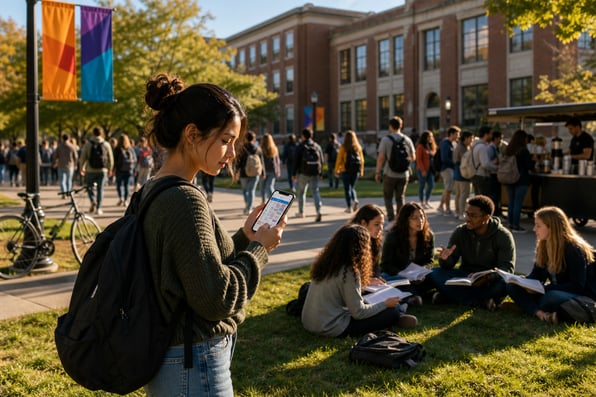
Summer break is often seen as a time to relax, recharge, and take a break from classes. And while there’s nothing wrong with enjoying some downtime, summer also presents a unique opportunity to invest in yourself.
The job market is changing rapidly. New technologies, evolving industries, and shifting employer expectations mean that having a degree alone is no longer enough to guarantee career success. Employers increasingly value practical skills that help individuals solve problems, create value, and adapt to change.
The good news? Many of these skills can be learned outside the classroom.
You don't need to spend thousands of dollars on additional education or dedicate every waking hour to learning. Even a few hours per week can help you develop skills that increase your earning potential and make you more competitive in the workforce.
If you're looking for the best high-income skills for students and wondering which skills to learn in 2026, this guide will help you identify valuable abilities that can strengthen your resume, expand your opportunities, and potentially boost your future income.
What Are High-Income Skills?
High-income skills are abilities that employers and businesses are willing to pay premium rates for because they directly contribute to results.
Unlike degrees or certifications alone, high-income skills focus on what you can actually do.
Examples include:
- Generating revenue
- Solving business problems
- Improving efficiency
- Managing projects
- Communicating effectively
- Leveraging technology
The more value a skill creates, the more valuable it becomes in the marketplace.
Why Summer Is the Perfect Time to Learn
During the academic year, students often juggle:
- Classes
- Exams
- Clubs
- Part-time jobs
- Social commitments
Summer provides additional flexibility to focus on personal and professional development.
Learning a new skill now can help you:
- Land internships
- Strengthen your resume
- Improve interview performance
- Increase future earning potential
- Explore career interests
Even small progress compounds over time.
1. Artificial Intelligence (AI) Literacy
AI is transforming nearly every industry.
Employers aren't necessarily looking for AI experts, but they are increasingly looking for candidates who understand how to use AI effectively and responsibly.
What to Learn
- Prompt engineering
- AI productivity tools
- AI-assisted research
- Ethical AI usage
- Workflow automation
Why It Matters
Professionals who know how to leverage AI often work faster, produce higher-quality work, and solve problems more efficiently.
AI literacy is quickly becoming a foundational workplace skill.
2. Data Analysis
Data drives decision-making across industries.
Organizations rely on data to understand customers, improve performance, and identify opportunities.
What to Learn
- Microsoft Excel
- Google Sheets
- Data visualization
- Basic statistics
- Business analytics
Why It Matters
The ability to analyze and interpret information is valuable in:
- Marketing
- Finance
- Healthcare
- Human Resources
- Technology
Data skills help you make informed decisions and communicate insights effectively.
3. Digital Marketing
Businesses need visibility.
Digital marketing helps organizations reach audiences, build awareness, and generate revenue.
Key Areas
- Social media marketing
- Content creation
- Search engine optimization (SEO)
- Email marketing
- Analytics
Why It Matters
Nearly every company needs marketing.
Understanding how businesses attract and engage customers can create opportunities across multiple industries.
4. Public Speaking and Communication
Communication consistently ranks among the most valuable workplace skills.
No matter your career path, your ability to communicate affects your success.
Areas to Develop
- Presentations
- Professional writing
- Storytelling
- Active listening
- Persuasive communication
Why It Matters
Strong communicators often:
- Earn leadership opportunities
- Build stronger relationships
- Influence decisions
- Advance more quickly
Communication amplifies every other skill you possess.
5. Project Management
Projects drive organizational progress.
Project management involves planning, organizing, and executing initiatives successfully.
What to Learn
- Goal setting
- Scheduling
- Time management
- Resource planning
- Team coordination
Why It Matters
Every organization relies on people who can keep projects moving forward.
Project management skills transfer across industries and career paths.
6. Coding and Technical Literacy
You don't have to become a software engineer to benefit from technical skills.
Basic coding knowledge can improve problem-solving and expand career opportunities.
Beginner-Friendly Options
- Python
- HTML
- CSS
- JavaScript basics
- SQL
Why It Matters
Technology continues to influence nearly every profession.
Technical literacy helps you understand how digital systems work and collaborate more effectively with technical teams.
7. Sales and Persuasion
Many students avoid sales because they associate it with pressure or manipulation.
In reality, sales is about understanding needs and communicating value.
Skills to Learn
- Relationship building
- Negotiation
- Active listening
- Objection handling
- Confidence
Why It Matters
Whether you're selling products, ideas, or yourself during an interview, persuasion plays an important role in professional success.
8. Content Creation
The creator economy continues to grow.
Organizations need people who can create engaging content that informs, educates, and inspires audiences.
Examples
- Writing
- Video production
- Podcasting
- Graphic design
- Social media content
Why It Matters
Content creation combines creativity, communication, and digital skills.
It can strengthen your personal brand while developing marketable abilities.
9. Leadership
Leadership isn't limited to management positions.
It's the ability to influence, guide, and support others.
Ways to Develop Leadership
- Lead projects
- Mentor peers
- Organize events
- Volunteer for responsibility
Why It Matters
Employers consistently seek candidates who demonstrate initiative and leadership potential.
Strong leaders help teams achieve goals and navigate challenges.
10. Adaptability and Learning Agility
Perhaps the most important skill for 2026 is the ability to learn continuously.
The workplace is changing too quickly for anyone to rely solely on existing knowledge.
What Learning Agility Looks Like
- Curiosity
- Flexibility
- Openness to feedback
- Continuous improvement
Why It Matters
Technology, industries, and job roles will continue evolving.
Individuals who learn quickly remain valuable regardless of change.
How to Choose Which Skill to Learn
Looking at this list may feel overwhelming.
You don't need to learn everything.
Instead, ask yourself:
What career interests me?
What skills appear in job descriptions?
What excites me?
What complements my strengths?
The best skill is often the one you'll consistently practice.
A Simple Summer Learning Plan
You don't need an intense schedule.
Try this:
Week 1
Choose one skill.
Weeks 2-4
Learn fundamentals.
Weeks 5-8
Practice through projects.
Weeks 9-12
Create something tangible to showcase.
Small, consistent progress produces significant results.
How to Demonstrate Your New Skills
Learning a skill is only part of the equation.
You also need to show it.
Add Projects to Your Resume
Demonstrate practical application.
Update LinkedIn
Highlight new skills and accomplishments.
Build a Portfolio
Show employers what you can do.
Share Your Learning Journey
Documenting your growth demonstrates initiative and curiosity.
The Future Belongs to Lifelong Learners
One of the most important career lessons students can learn is that education doesn't end after graduation.
The most successful professionals continually develop new skills.
They stay curious.
They adapt.
They invest in growth.
And that's exactly why high-income skills become so valuable.
Final Thoughts
Summer is more than a break from classes.
It's an opportunity to invest in yourself.
By developing high income skills, you'll not only strengthen your resume but also increase your confidence, expand your career options, and prepare yourself for a rapidly changing workforce.
Whether you choose AI literacy, communication, digital marketing, project management, coding, or leadership, the key is taking action.
You don't need to master everything this summer.
You simply need to start.
Because the skills you begin building today could become the foundation for tomorrow's opportunities—and your future success.