If you're a college student preparing for internships, leadership opportunities, or your first full-time job, you've probably wondered:
What are employers actually looking for?
The answer may surprise you.
While grades, majors, and technical skills still matter, employers in 2026 are placing greater emphasis on something else: adaptability, communication, and real-world readiness.
The hiring landscape has changed dramatically over the last few years. Artificial intelligence, automation, remote collaboration, and evolving workplace expectations have reshaped what companies value in entry-level candidates.
Today's employers aren't just hiring for what you know.
They're hiring for how quickly you can learn, collaborate, and contribute.
So if you're wondering how to stand out in an increasingly competitive job market, this guide breaks down the biggest hiring trends of 2026 and the skills employers want most from college students and recent graduates.
The Biggest Shift in Hiring: Potential Over Perfection
For years, students believed the formula for getting hired was simple:
Good grades + internship = job offer.
While academic performance is still important, employers are increasingly focused on long-term potential.
Why?
Because the workplace is changing faster than ever.
Many of today's jobs will look very different in five years. Employers know that technical skills can become outdated, but people who can learn, adapt, and grow remain valuable.
As a result, companies are prioritizing candidates who demonstrate:
- Curiosity
- Initiative
- Adaptability
- Problem-solving
- Communication
In other words, they're looking beyond resumes and focusing on future potential.
Hiring Trend #1: Communication Skills Are More Important Than Ever
If you ask hiring managers to identify the most important skill for entry-level candidates, communication consistently ranks near the top.
Why Communication Matters
Even highly technical roles require collaboration.
Employees must be able to:
- Explain ideas clearly
- Write professional emails
- Participate in meetings
- Present information effectively
- Work with diverse teams
Employers frequently report that poor communication creates productivity issues, regardless of technical ability.
How Students Can Develop Communication Skills
You don't need a communication major to improve.
Consider:
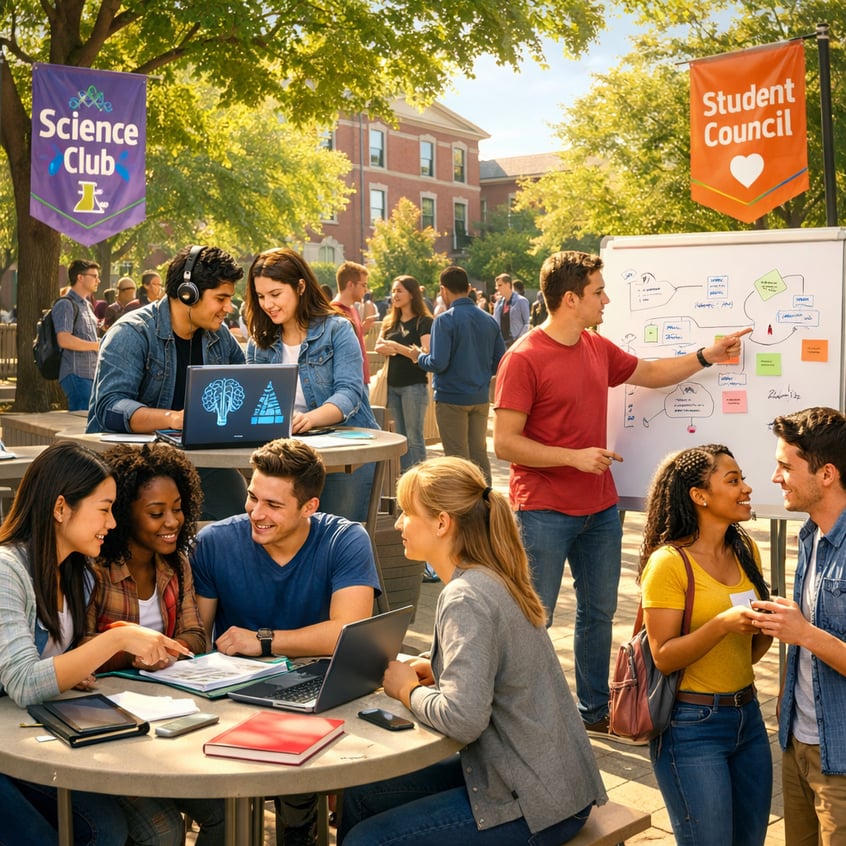
- Joining student organizations
- Participating in presentations
- Taking leadership roles
- Practicing professional networking
Every opportunity to communicate builds confidence and credibility.
Hiring Trend #2: Employers Want Adaptability
One of the defining characteristics of today's workplace is constant change.
New technology emerges. Industries evolve. Teams reorganize.
Employers want people who can adjust.
What Adaptability Looks Like
Adaptable employees:
- Learn new systems quickly
- Handle change effectively
- Remain productive during uncertainty
- Approach challenges with flexibility
How Students Can Demonstrate Adaptability
Examples include:
- Learning new software
- Taking interdisciplinary courses
- Working on diverse projects
- Pursuing new experiences
The willingness to learn often matters more than existing expertise.
Hiring Trend #3: AI Literacy Is Becoming a Competitive Advantage
Artificial intelligence is changing how work gets done across nearly every industry.
The good news?
Employers don't necessarily expect students to be AI experts.
They do expect awareness.
What Employers Want
Students who understand:
- How AI tools work
- When to use AI responsibly
- How to combine technology with human judgment
The strongest candidates know that AI is a tool—not a replacement for critical thinking.
Skills That Matter
Employers increasingly value students who can:
- Use AI for research and productivity
- Verify information
- Think critically about outputs
- Apply human creativity and judgment
Hiring Trend #4: Problem-Solving Matters More Than Memorization
In a world where information is readily available, employers care less about what you've memorized and more about how you approach problems.
Why Problem-Solving Is Critical
Organizations face challenges every day.
They need employees who can:
- Analyze situations
- Evaluate options
- Develop solutions
- Make informed decisions
How Students Can Build Problem-Solving Skills
Look for opportunities to:
- Participate in case competitions
- Complete project-based coursework
- Solve real-world challenges
- Lead initiatives
The goal is to show that you can think through complex situations effectively.
Hiring Trend #5: Employers Value Initiative
One word continues to appear in employer surveys:
Initiative.
Companies want employees who don't simply wait for instructions.
They want people who take ownership.
What Initiative Looks Like
Examples include:
- Starting a project
- Volunteering for responsibility
- Suggesting improvements
- Seeking opportunities to contribute
Why It Matters
Initiative signals:
- Motivation
- Leadership potential
- Engagement
- Accountability
These qualities often separate top candidates from everyone else.
Hiring Trend #6: Teamwork Is Non-Negotiable
The image of the lone genius succeeding independently is largely a myth.
Modern workplaces rely on collaboration.
What Employers Want
Candidates who can:
- Work with different personalities
- Contribute to group goals
- Resolve conflicts professionally
- Support team success
How Students Can Demonstrate Teamwork
Employers often see evidence of teamwork through:
- Group projects
- Student organizations
- Volunteer experiences
- Athletic participation
The key is explaining your role and contribution.
Hiring Trend #7: Leadership Without a Title
Many students assume leadership only counts if they hold official positions.
Employers disagree.
Modern Leadership
Leadership today often means:
- Taking initiative
- Supporting teammates
- Solving problems
- Influencing outcomes
Examples of Leadership
You don't need to be club president.
Leadership can include:
- Organizing an event
- Leading a project team
- Mentoring peers
- Improving a process
Employers recognize leadership in many forms.
What Employers Care Less About in 2026
As hiring priorities evolve, some traditional assumptions matter less than students think.
Perfect Career Plans
Many employers don't expect students to have their entire career mapped out.
They want direction, not certainty.
A Long List of Credentials
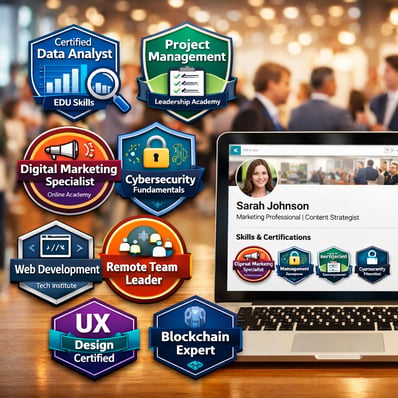
Certifications can help, but employers increasingly prioritize practical application over collecting credentials.
Being an Expert Before You Start
Entry-level hiring is about growth potential.
No employer expects a new graduate to know everything.
The Skills Employers Want Most
Based on current hiring trends, here are the skills that consistently stand out.
Communication
Clear writing, speaking, and listening.
Adaptability
Learning quickly and embracing change.
Critical Thinking
Evaluating information and making decisions.
Collaboration
Working effectively with others.
Initiative
Taking action without waiting to be told.
Leadership
Influencing and supporting others.
Digital Literacy
Using technology effectively.
Emotional Intelligence
Understanding yourself and others.
These are the skills employers want because they remain valuable regardless of industry or role.
How Students Can Prepare Right Now
The good news is that you don't have to wait until graduation to develop these skills.
Get Involved
Join organizations, clubs, and activities that challenge you.
Seek Leadership Opportunities
Leadership experience often develops transferable skills faster than coursework alone.
Build Real Projects
Create something tangible that demonstrates your abilities.
Network Intentionally
Conversations with professionals provide valuable insights and opportunities.
Continue Learning
The most successful students view learning as an ongoing process.
The Future Belongs to Adaptable Learners
One of the clearest messages from employers in 2026 is this:
They are hiring learners.
Technical skills will continue to evolve.
Industries will continue to change.
The candidates who succeed will be those who remain curious, adaptable, and willing to grow.
Final Thoughts
If you're trying to understand what employers want from students, remember that today's hiring landscape is about more than grades and credentials.
Employers are looking for individuals who can communicate, collaborate, solve problems, and adapt to change.
They want people who demonstrate initiative, embrace learning, and bring value to a team.
The good news?
You don't need years of experience to develop these qualities.
You can start building them right now through your classes, leadership opportunities, campus involvement, internships, and everyday experiences.
Because in 2026, the most valuable candidates aren't necessarily the ones who know everything.
They're the ones who show they can learn anything.