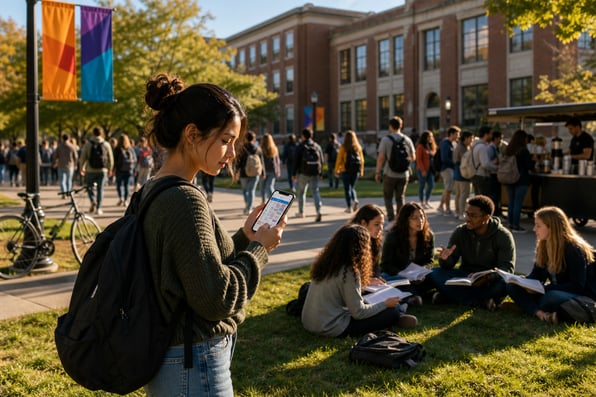
In today’s digital world, your reputation often forms long before you walk into a job interview. Employers, recruiters, and professional connections frequently learn about candidates through their online presence before ever meeting them in person.
For college students preparing to enter the workforce, this means one thing: your personal brand matters.
A personal brand is not about self-promotion or becoming an influencer. It’s about intentionally shaping how others perceive your strengths, interests, and values. Developing a strong college student brand can help you stand out in competitive job markets, build meaningful connections, and communicate who you are as a professional.
The good news is that you don’t need years of experience to start building a powerful professional identity. In fact, college is one of the best times to begin developing your digital footprint for your career.
What Is a Personal Brand?
Your personal brand is the combination of your:
- Skills
- Experiences
- Values
- Interests
- Online presence
Together, these elements shape how people perceive you professionally.
Think of your personal brand as your professional story.
When someone searches your name online or visits your LinkedIn profile, they should quickly understand:
- What you care about
- What you’re good at
- What kind of opportunities you’re pursuing
For students, building a professional image in college helps bridge the gap between academic experiences and future careers.
Why Personal Branding Matters for Students
Many students believe personal branding is something professionals develop later in their careers.
In reality, starting early provides a major advantage.
A thoughtful online presence for students can help with:
- Internship applications
- Networking opportunities
- Graduate school admissions
- Leadership roles
- Job offers
Recruiters increasingly review candidates’ online profiles before scheduling interviews. A clear and professional digital presence can strengthen your credibility.
Personal branding also helps students gain clarity about their goals. When you define what you want to be known for, you naturally begin aligning your experiences with that direction.
Step 1: Define Your Professional Identity
Before updating profiles or building a portfolio, take time to reflect on your strengths and interests.
Ask yourself questions such as:
- What topics or industries interest me most?
- What skills do I enjoy using?
- What problems do I want to help solve?
- What values guide my work?
Your answers help shape the foundation of your personal branding as a student.
For example:
A student interested in environmental policy might develop a brand around sustainability and advocacy.
A marketing student might focus on creativity, storytelling, and digital strategy.
Your personal brand does not need to be perfect or permanent. It should simply reflect your current direction and curiosity.
Step 2: Build a Professional Online Presence
Your online presence is one of the most visible parts of your personal brand.
Students should ensure that their digital profiles present a consistent and professional image.
LinkedIn is often the first place recruiters look when researching candidates.
A strong LinkedIn profile includes:
- A professional profile photo
- A clear headline describing your interests or goals
- A well-written summary section
- Descriptions of experiences and projects
- Skills and endorsements
Students should also consider sharing posts about:
- Academic projects
- Industry insights
- Internship experiences
- Leadership activities
Engaging with professional content demonstrates curiosity and involvement.
Personal Website or Portfolio
Depending on your field, a portfolio can significantly strengthen your college student brand.
A personal website can showcase:
- Writing samples
- Design projects
- Research papers
- Coding work
- Case studies
- Photography or creative work
Even simple portfolios can help employers better understand your capabilities.
For students in fields like marketing, design, journalism, engineering, or technology, portfolios often make a powerful impression.
Social Media Awareness
Social media platforms contribute to your digital footprint for your career.
This does not mean you must remove all personal content, but students should be mindful of how their profiles appear to potential employers.
Consider reviewing privacy settings and removing content that could conflict with your professional image.
Many students also choose to use certain platforms—such as LinkedIn or professional Twitter accounts—to share industry-related insights.
Step 3: Create Consistency Across Platforms
A strong personal brand is recognizable and consistent.
This means ensuring that your:
- LinkedIn profile
- Portfolio
- Resume
- Social media accounts
all reflect similar themes and goals.
For example, if your brand emphasizes technology innovation, your online profiles might include:
- Projects involving coding or data analysis
- Articles about emerging technologies
- Leadership roles in tech-related organizations
Consistency helps others quickly understand your professional direction.
Step 4: Develop a Portfolio of Experiences
Your personal brand is not only about what you say—it’s about what you do.
Experiences strengthen your professional identity.
Students can build their brand through activities such as:
- Internships
- Research projects
- Student organizations
- Volunteer work
- Leadership roles
- Independent projects
Each experience contributes to your story.
For example, a student interested in entrepreneurship might:
- Join a startup club
- Participate in pitch competitions
- Launch a small online business
These activities reinforce their professional brand.
Step 5: Share Your Ideas
Thoughtful content can strengthen your reputation as a curious and engaged student.
Sharing insights online demonstrates initiative and intellectual curiosity.
Examples of content students might share include:
- Reflections on internships
- Lessons learned from leadership roles
- Analysis of industry trends
- Research findings
- Conference or event takeaways
This type of content helps students build credibility while expanding their professional networks.
Step 6: Build Relationships
Personal branding is not only about visibility—it’s about connection.
Relationships remain one of the most powerful drivers of career opportunities.
Students can strengthen their networks by:
- Attending campus events
- Connecting with alumni
- Participating in professional organizations
- Conducting informational interviews
When connecting online, a short message introducing yourself and explaining your interest can make a strong impression.
Professional relationships often grow over time through consistent engagement and mutual support.
Step 7: Practice Professional Communication
Communication style plays a major role in shaping your professional image in college.
Students should focus on developing skills such as:
- Writing clear and professional emails
- Communicating respectfully in group settings
- Participating thoughtfully in discussions
Strong communication reflects professionalism and confidence.
These habits help reinforce a positive personal brand in both academic and professional environments.
Step 8: Be Authentic
One of the most important elements of personal branding is authenticity.
Your personal brand should reflect who you genuinely are—not a persona you believe employers expect.
Authenticity builds trust.
People are more likely to connect with individuals who share genuine interests and perspectives.
Rather than trying to fit into a predetermined mold, focus on highlighting your unique strengths and experiences.
Avoiding Common Personal Branding Mistakes
Students sometimes misunderstand personal branding as self-promotion or constant visibility.
Instead, effective personal branding focuses on value and consistency.
Here are a few common mistakes to avoid.
Being Too Generic
Statements like “hardworking student seeking opportunities” appear frequently in profiles.
Instead, focus on specific interests and skills.
Ignoring Your Online Presence
Even if you do not actively post online, your digital footprint still exists.
Regularly reviewing and updating your profiles helps ensure they align with your professional goals.
Trying to Appeal to Everyone
A strong brand often involves a clear focus.
Rather than trying to appeal to every industry or role, highlight areas that genuinely interest you.
The Long-Term Benefits of Personal Branding
Developing a college student brand creates advantages that extend beyond your first job.
A strong personal brand can lead to:
- Internship opportunities
- Professional partnerships
- Leadership invitations
- Speaking or writing opportunities
- Career advancement
Over time, your brand becomes a reflection of your expertise, experiences, and contributions.
The earlier you begin shaping it, the stronger it becomes.
Personal Branding Is an Ongoing Process
It’s important to remember that personal branding evolves.
As students gain new experiences, their interests and goals often change.
Your brand should grow alongside your career journey.
Regular reflection helps ensure that your online presence and professional identity remain aligned with your evolving direction.
Final Thoughts
Building your personal brand as a college student is not about creating a polished image overnight. It’s about gradually developing a professional identity that reflects your skills, interests, and values.
By aligning your online presence as a student, curating meaningful experiences, and communicating authentically, you can create a powerful digital footprint for your career.
A thoughtful personal brand helps others see your potential—and helps you clarify the path you want to pursue.
And in today’s competitive job market, that clarity can make all the difference.